
 Image 1 of 3
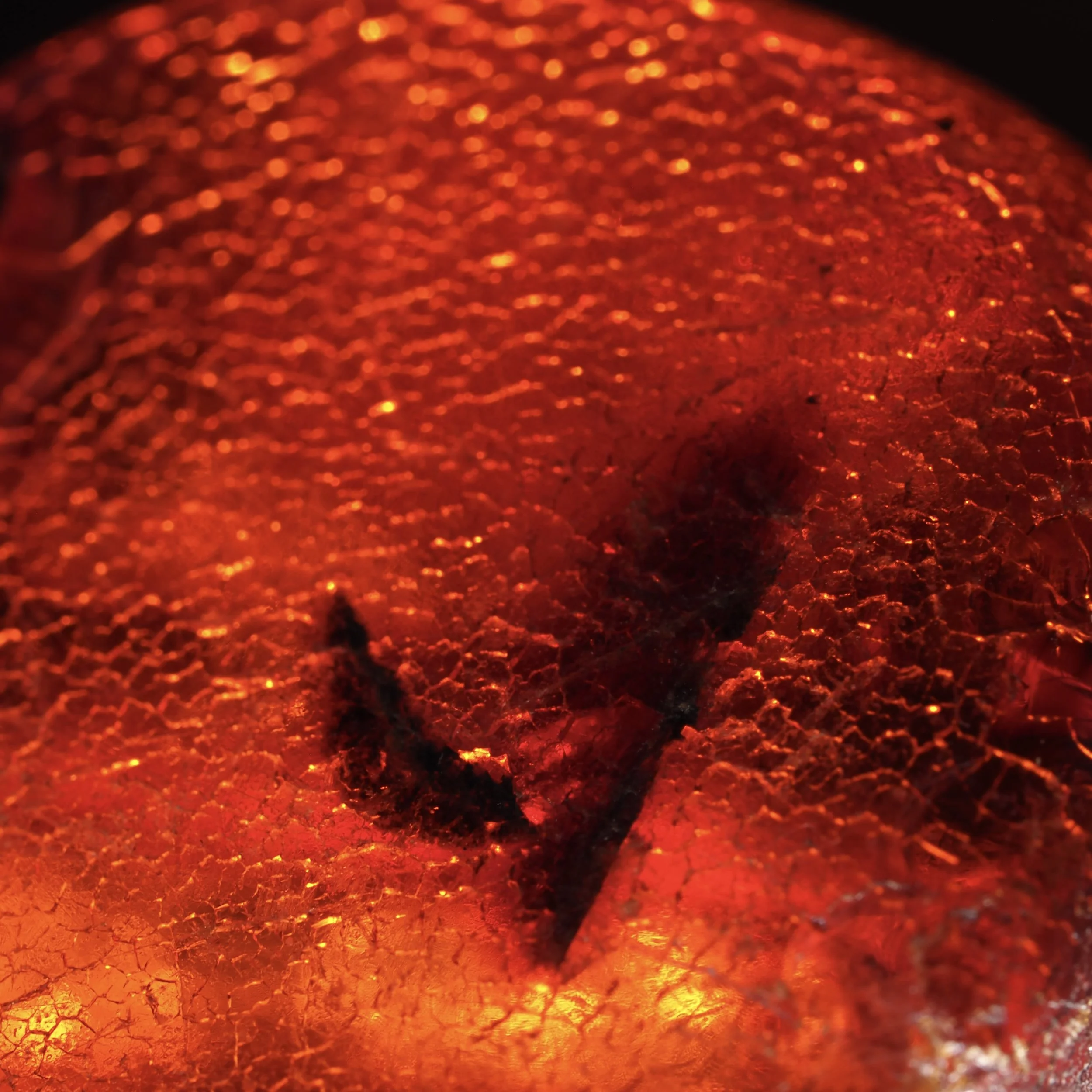 Image 2 of 3
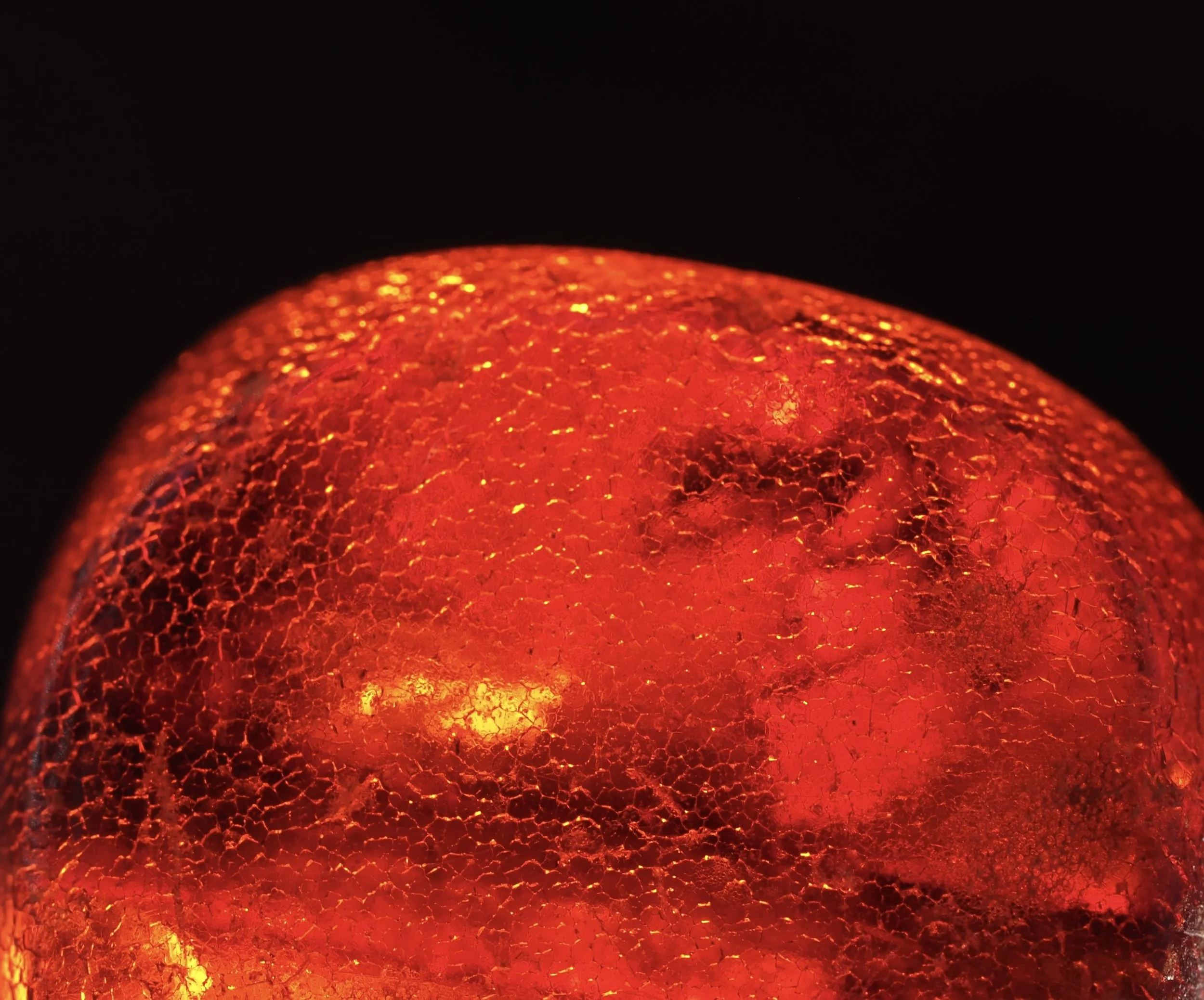 Image 3 of 3
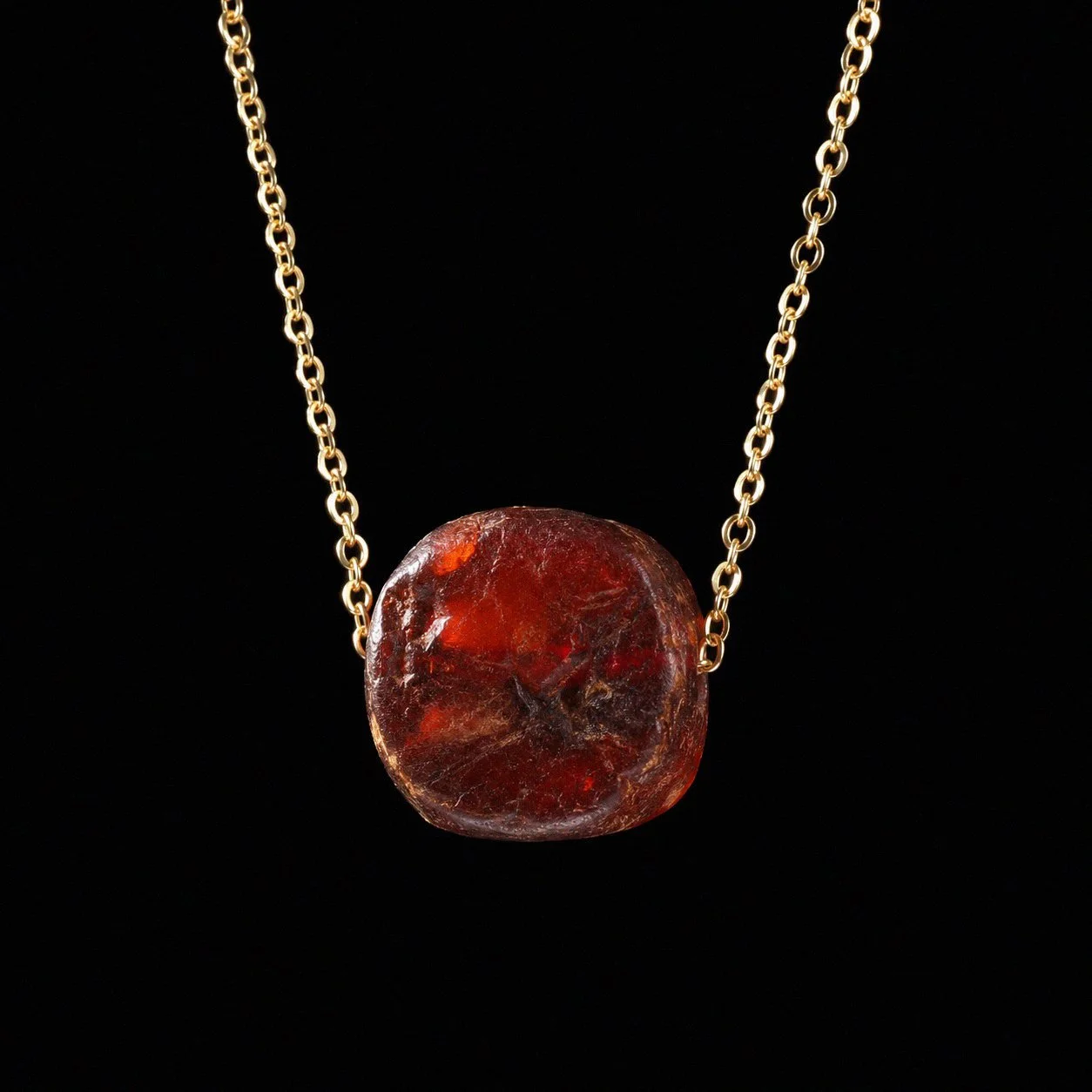
Eocene, approximately 30–40 million years ago,
Possibly Baltic,
A cube-shaped, prehistoric amber bead, containing a fossilised insect, set on a modern plate gold chain,
Provenance:
Charlie Watts collection (drummer of the Rolling Stones) 1941 - 2021
Since Roman times there has been a fascination with amber. Historically it was thought to be solidified whale sperm or solidified lynx urine. The mystery that surrounded it encouraged theories of its medicinal benefits. Amber has been recommended as a cure for melancholy, toothache, and epilepsy, among other ailments, and as a love filter. The occasional inclusions of insects and small animals found trapped in it, such as in the present example, have also made it a symbol of immortality.
The Roman historian Pliny the Elder was the first to unveil its nature as the result of plant resin, but it wasn’t until 1757 that the Russian scientist Mikhail Lomonossov determined its true origin. Amber is a fossilised resin originating from a prehistoric forest dating back to some 30 to 40 million years, located under the Baltic Sea, between the towns of Danzig (today Gdansk in Poland) and Königsberg (today Kaliningrad in Russia), then, in East Prussia. Interestingly, images exist of early collectors wading into the water in protective outfits like modern-day beekeepers to collect amber with long-handled nets.
The Greek word for amber, elektron, came to mean brilliant or shining. The word ‘electricity’ is in fact originally derived from elektron, referencing amber’s electrostatic properties when friction is applied – something that must have added to its perceived magical properties in the distant past. One can see why the sovereigns and aristocrats would have prized any one of these objects in their kunstkammer, expressing as they do the wonder aroused by the combination of this magical material and technical virtuosity.