
PAPAL TIARA (triregnum) FRAGMENT
Italian (Papal States), circa 16th - 17th century
White marble
20 cm wide
26 cm high
20 cm deep
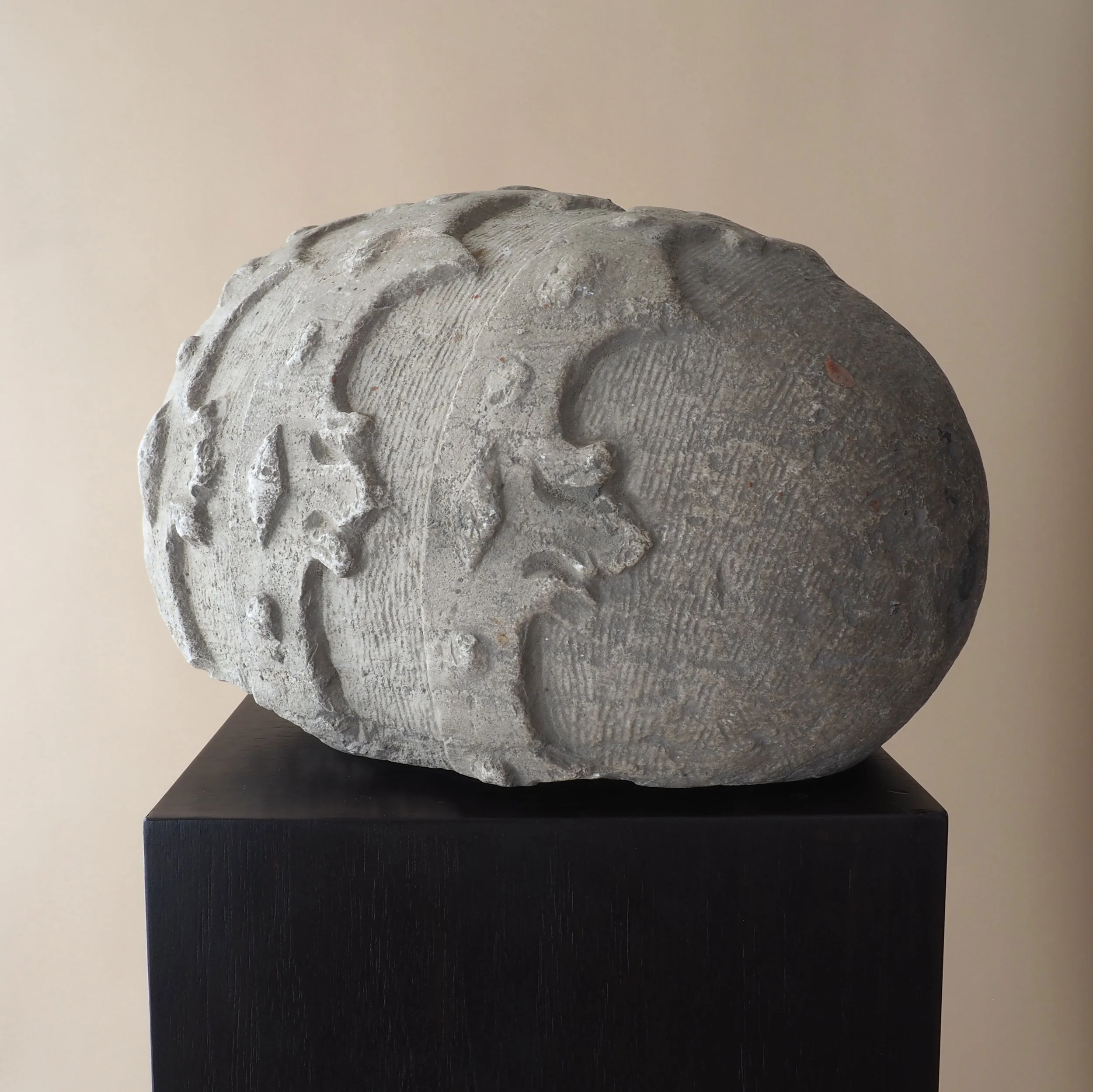
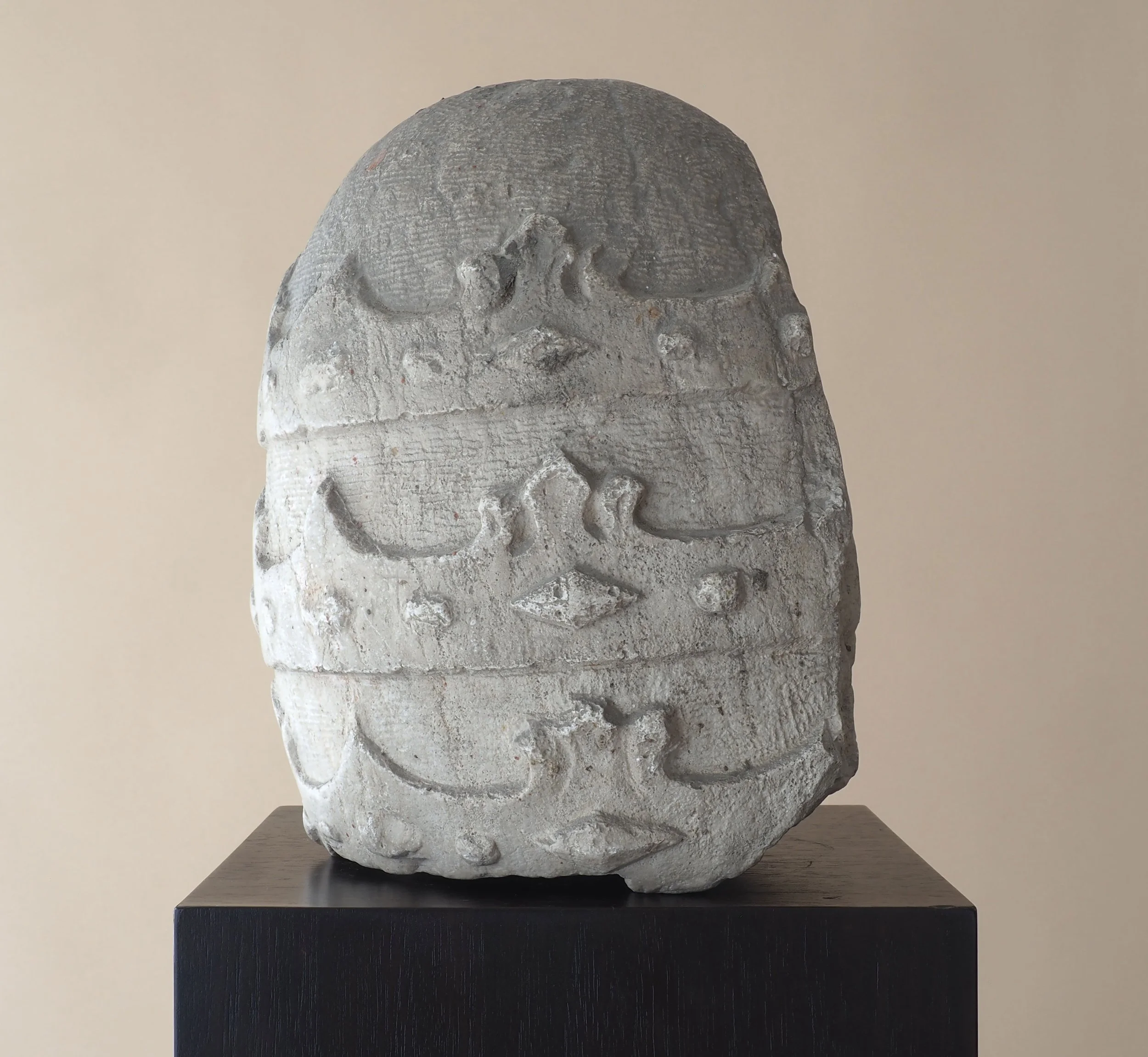
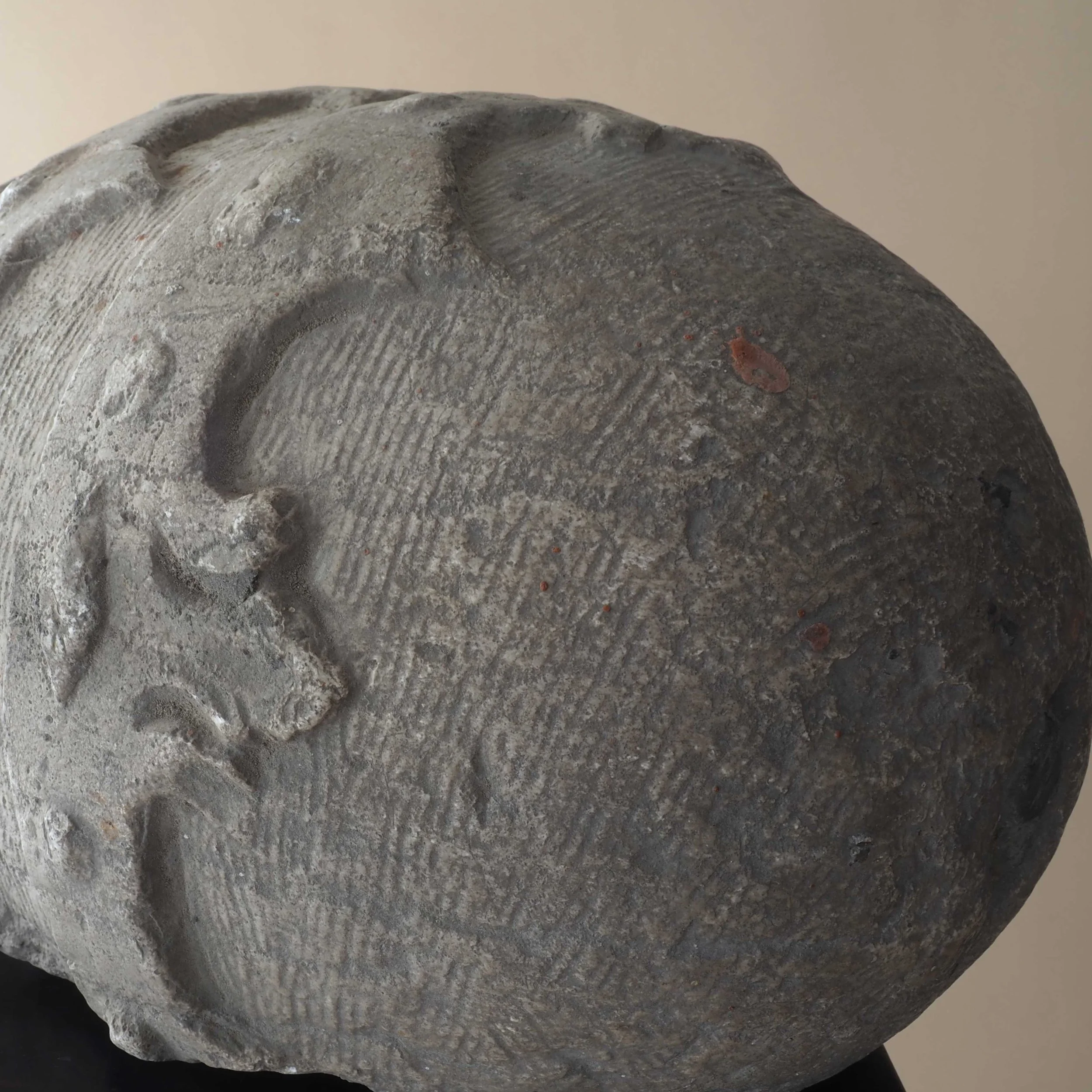
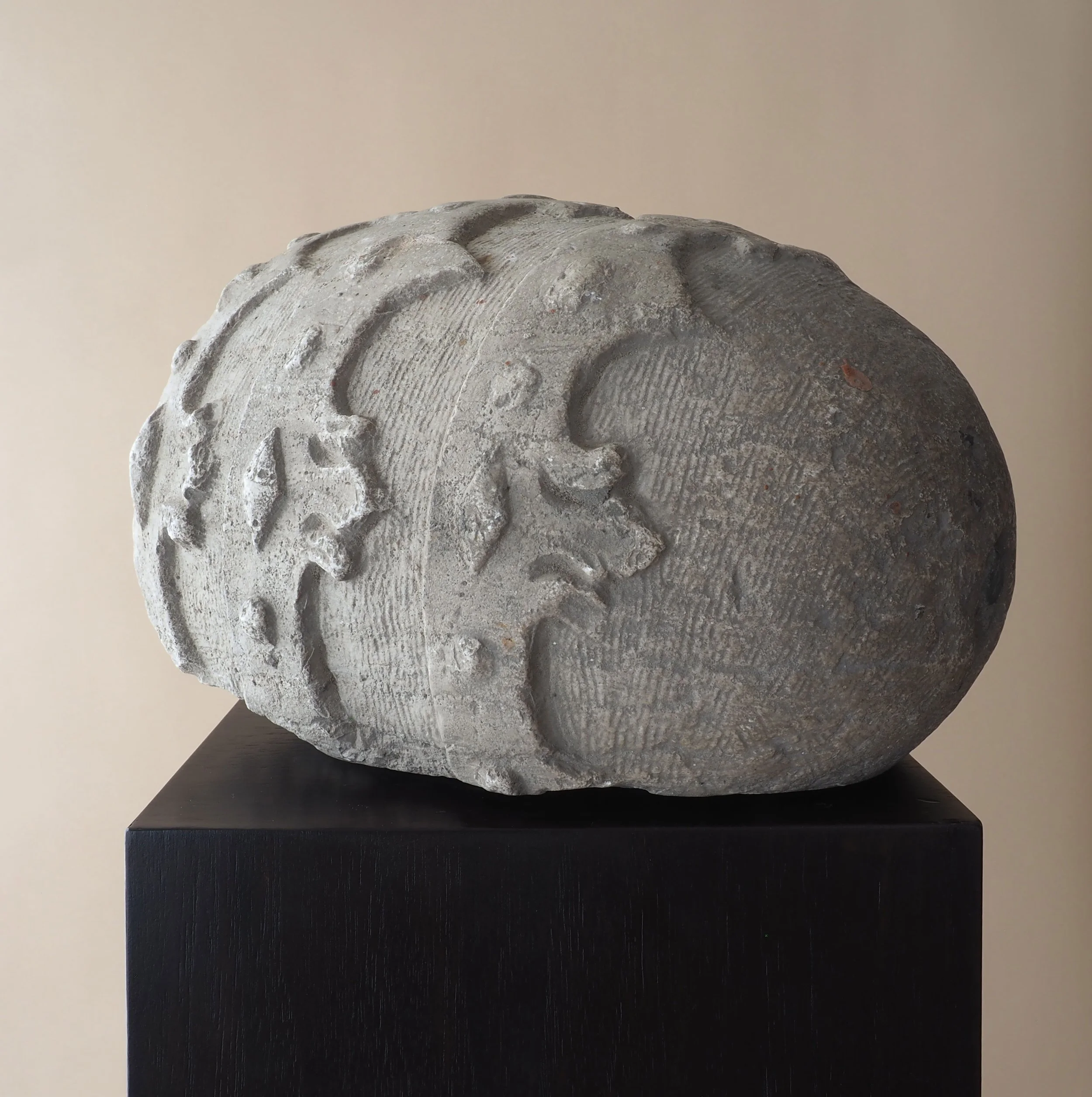
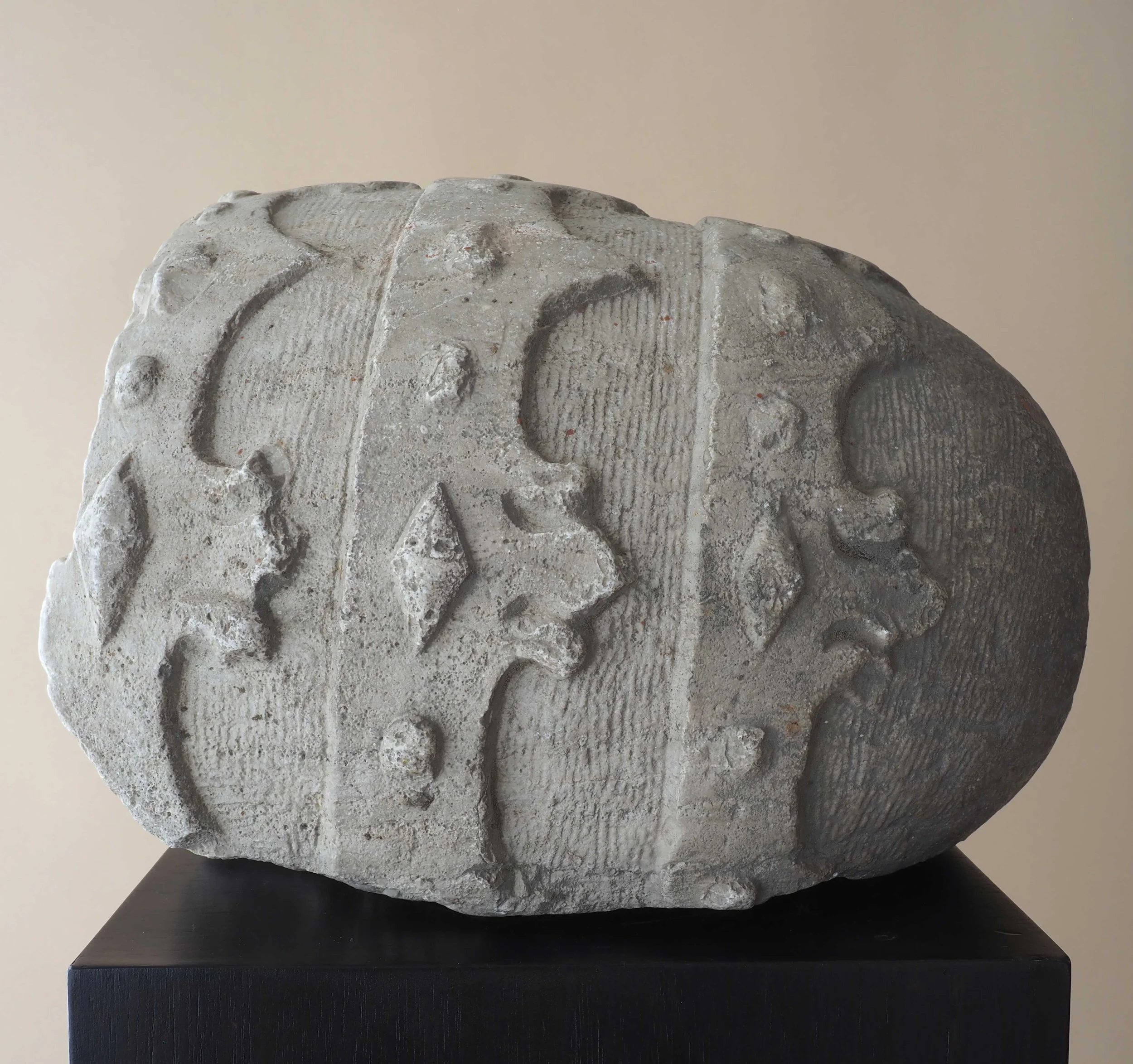
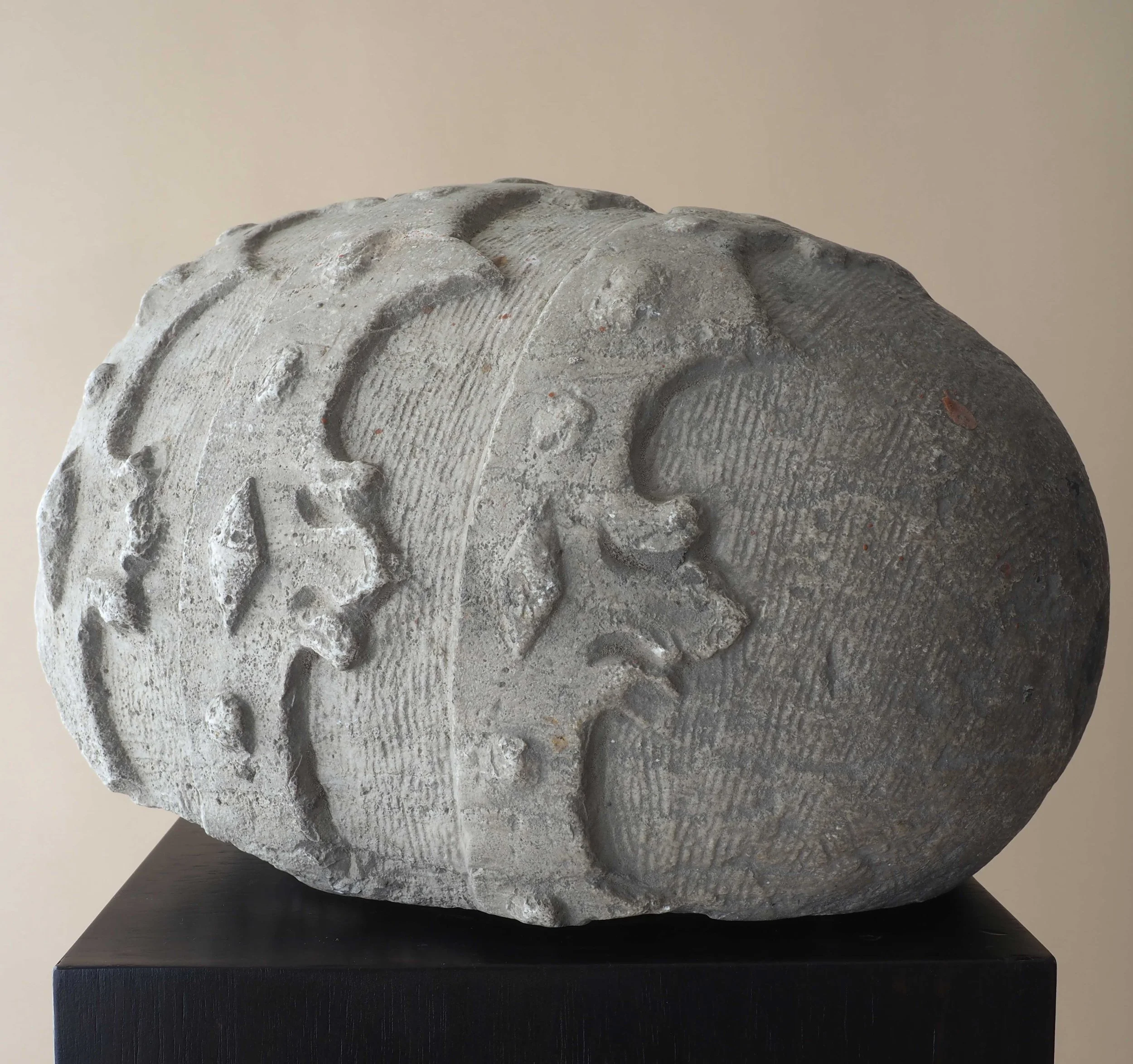
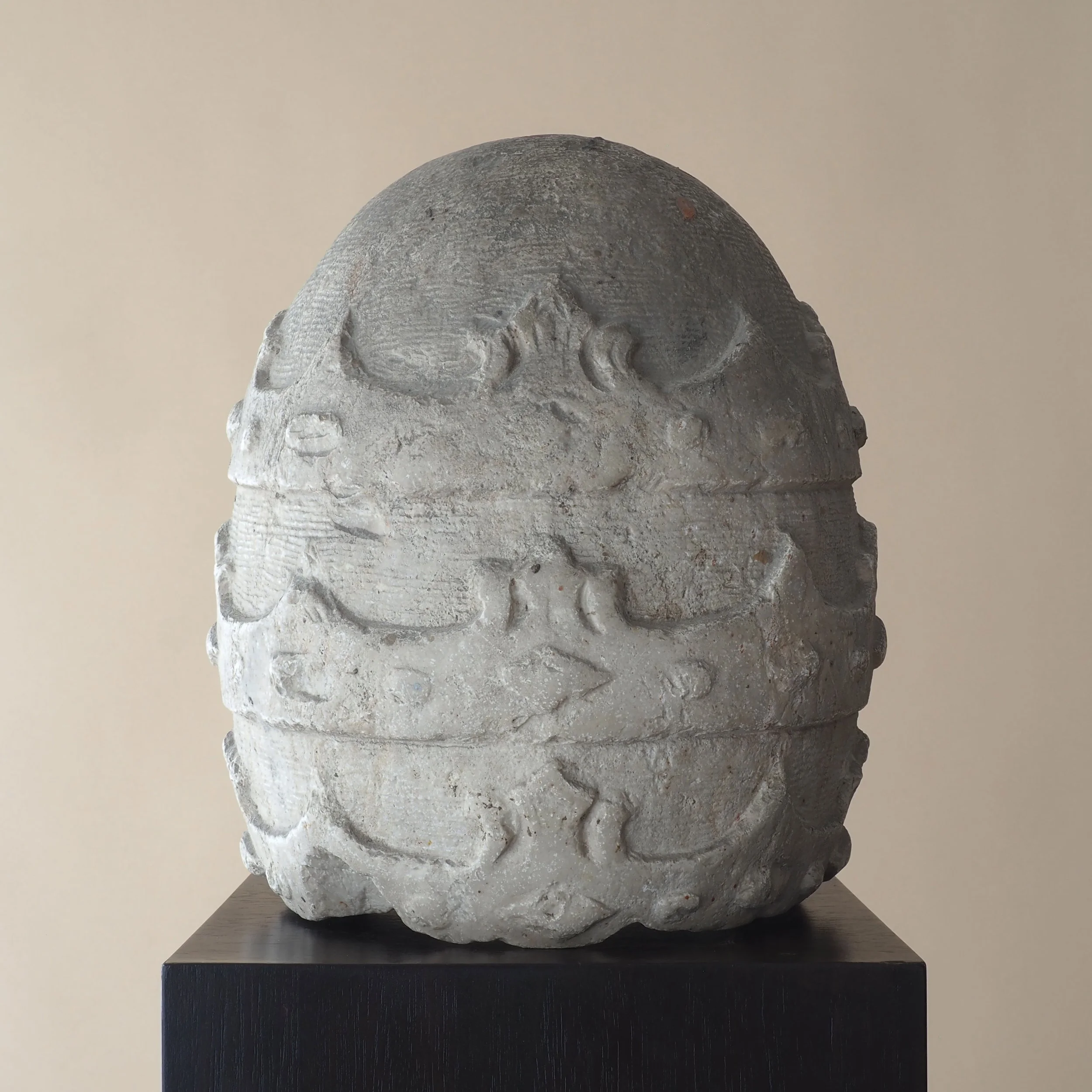
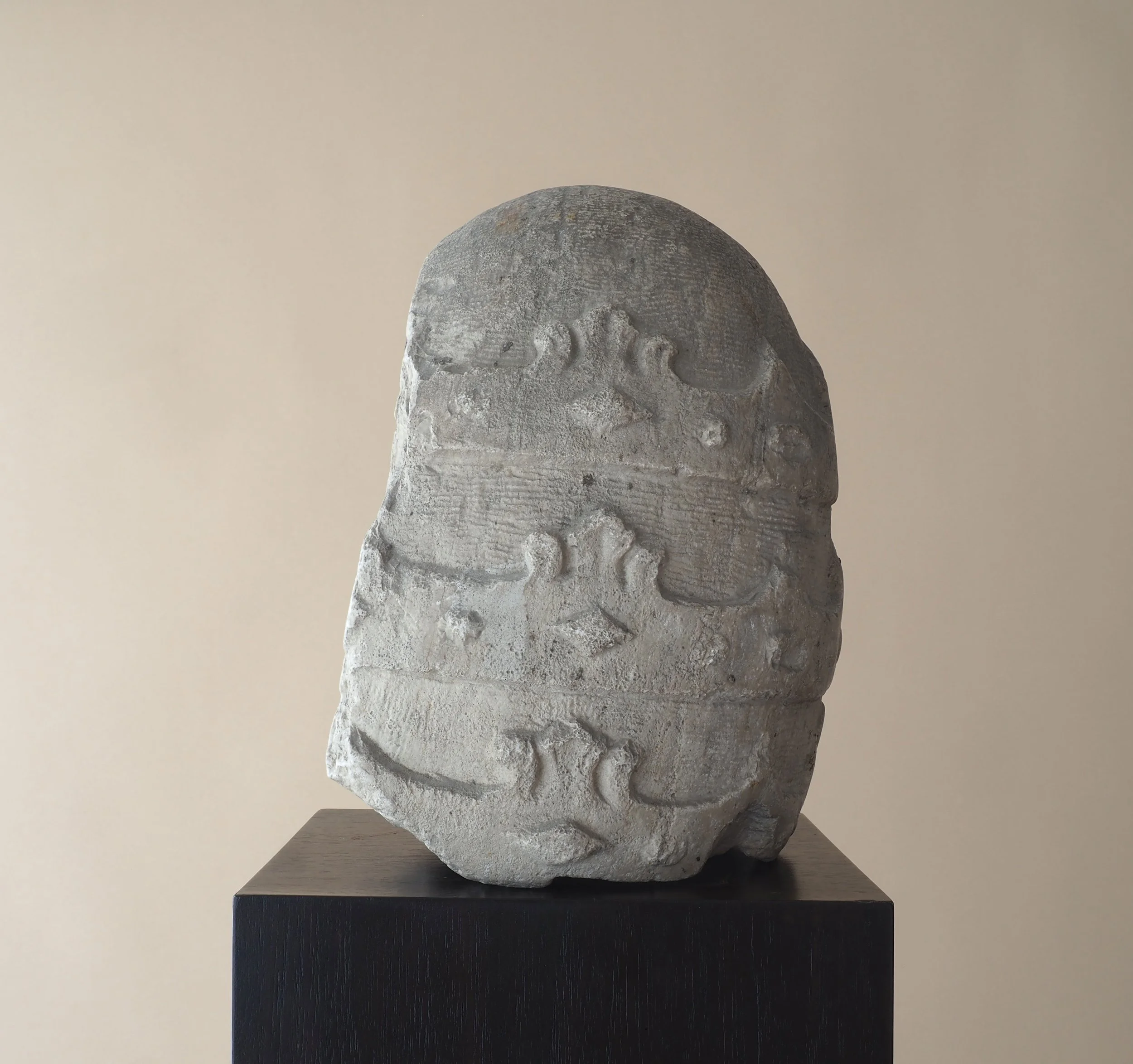
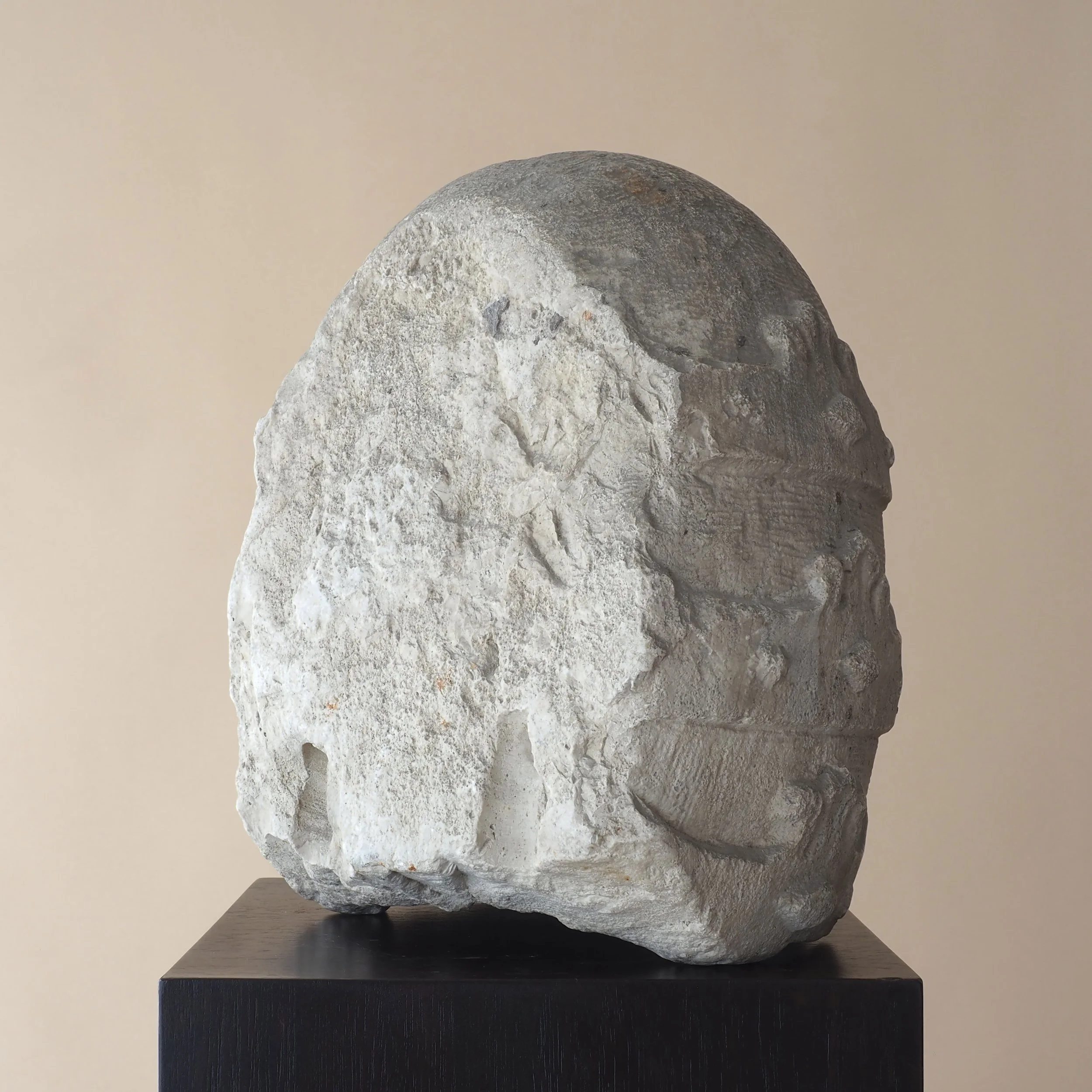
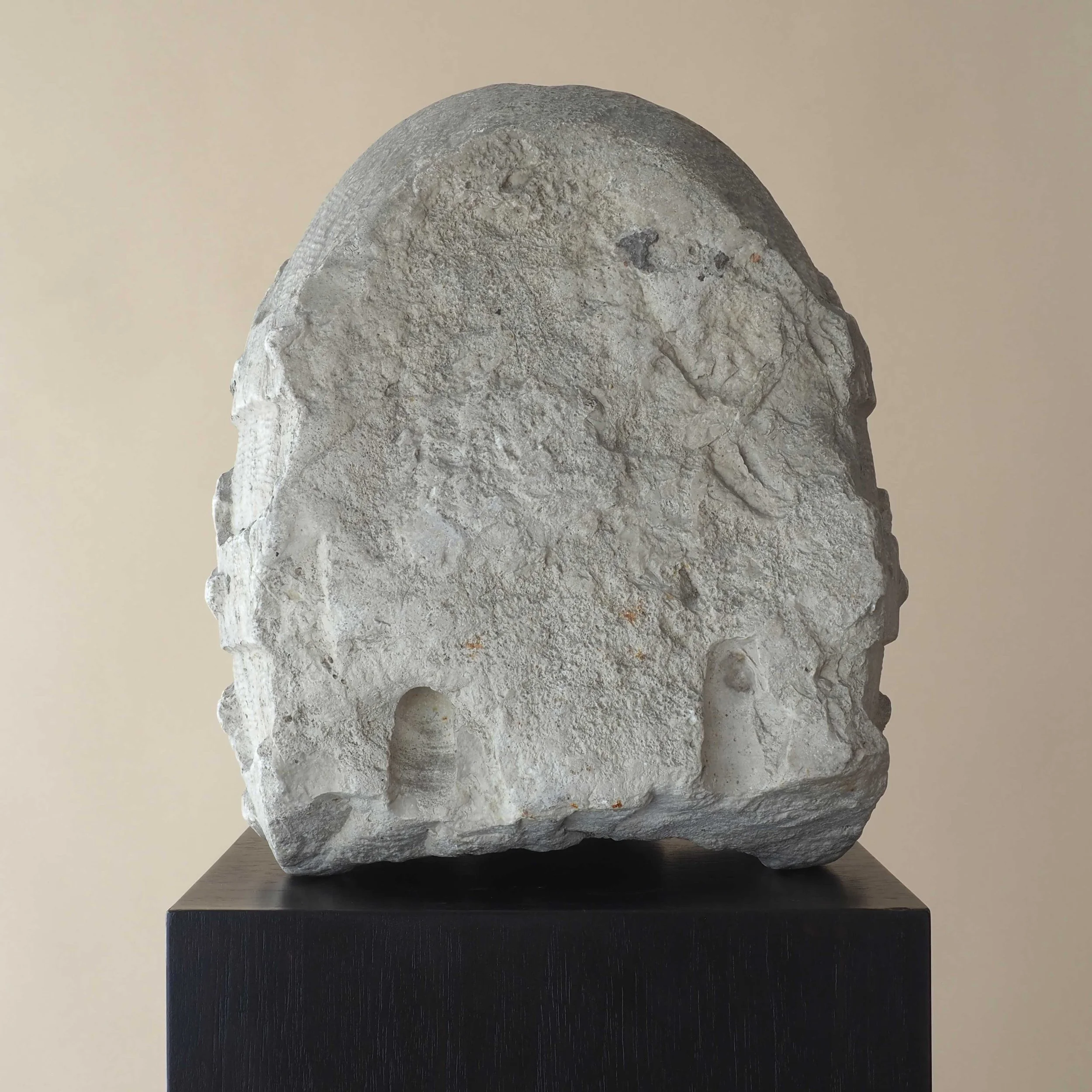
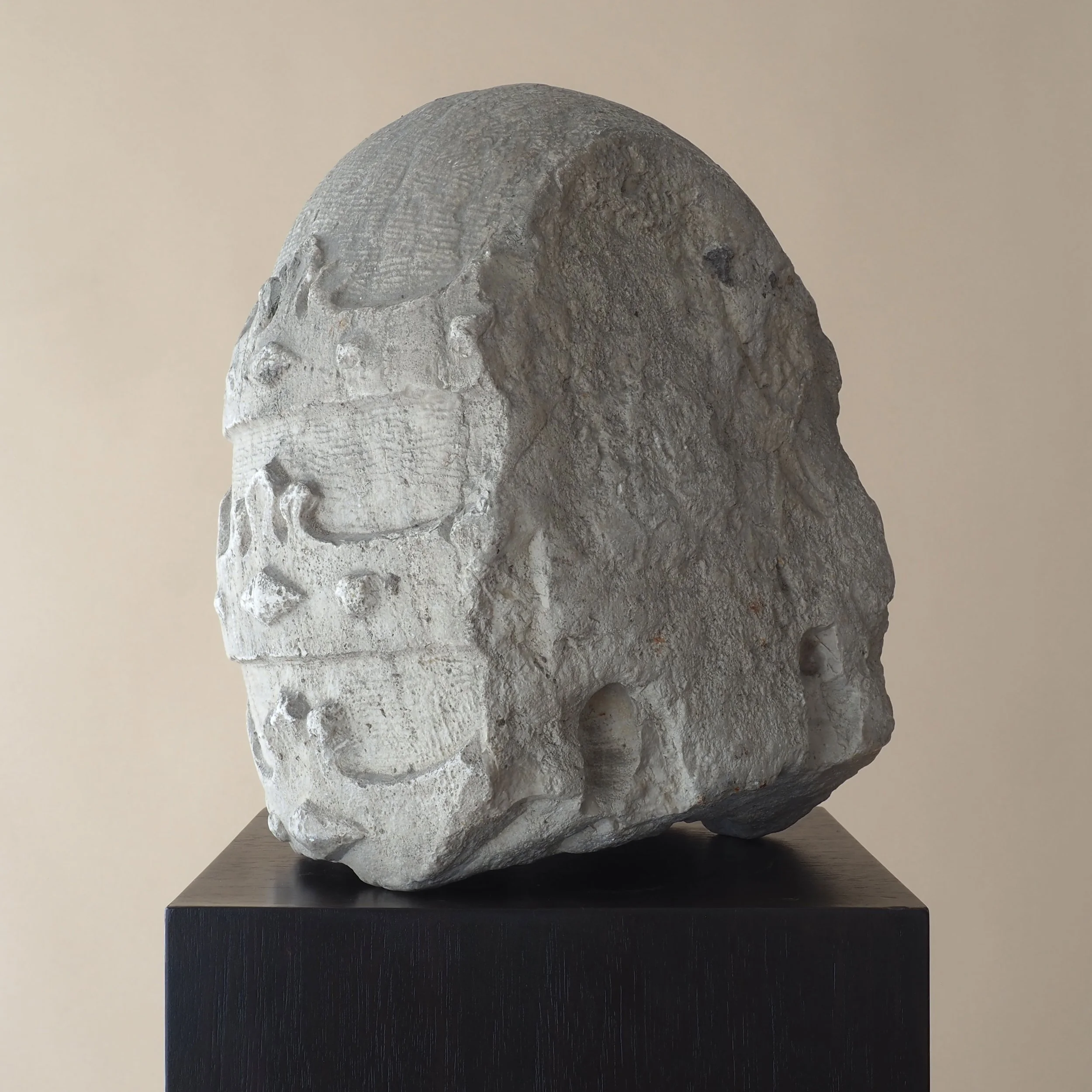
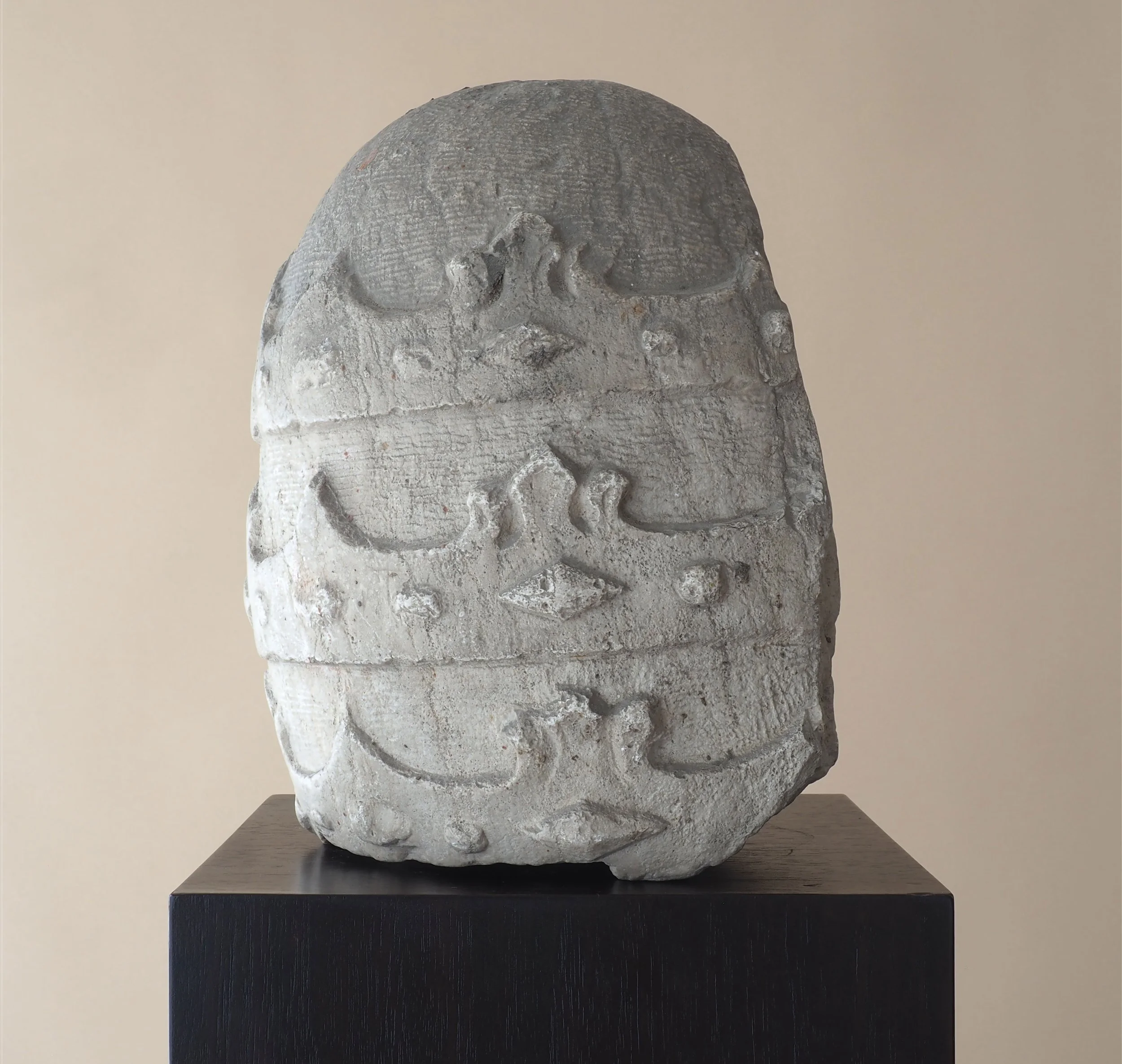
This fragmentary 16th / 17th century papal tiara was likely part of a larger sculptural programme, such as an architectural relief, or ecclesiastical furnishing—produced within the artistic milieu of High Renaissance or early Counter-Reformation Rome. The papal tiara (triregnum), with its distinctive triple crowns, functioned as one of the most potent visual signifiers of papal authority, symbolising the Pope’s spiritual and temporal dominion. In sculptural contexts, it frequently appears in conjunction with the crossed keys of Saint Peter, forming part of the heraldic language of the papacy.Under the warrior pope Julius II (1503–13), the Papal States reached their greatest extent, stretching from Parma and Bologna in the north to the south and east, along the Adriatic coast and through Umbria to the Campagna, south of Rome; much of the expansion was the result of campaigns led by the pope himself. By the end of the 16th century, however, these territories constituted merely one of a number of petty Italian states. The prestige of the Papal States was further diminished by the spread of the Reformation from the mid-16th century and the growth of Spanish power on the Italian peninsula in the 17th century.
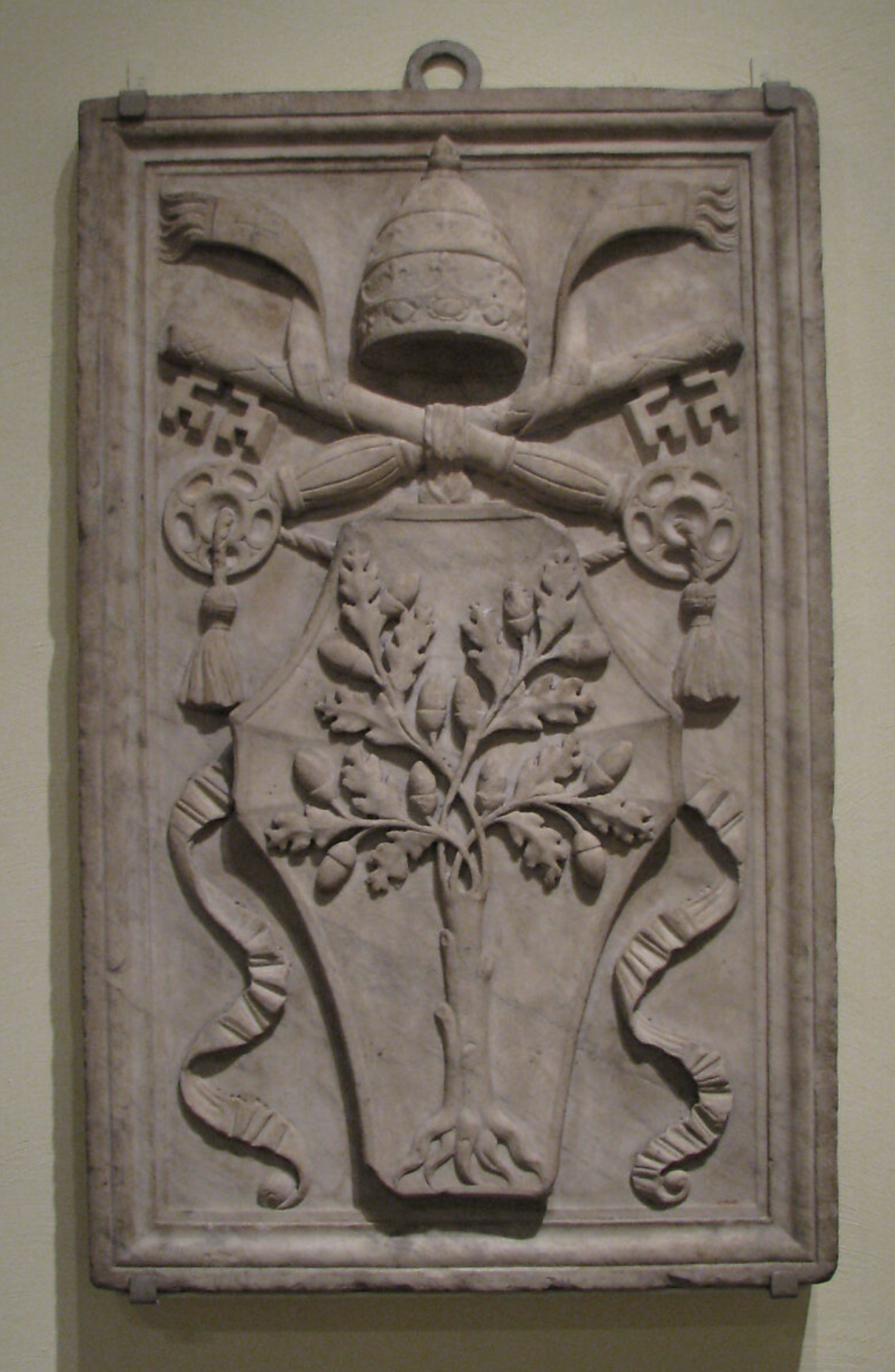
Arms of Pope Julius II (Giuliano della Rovere, reigned 1503–13), Italian, early 16th century, white marble. Metropolitan Museum of Art, New York